

Why Logistics Optimization is the Only Way to Stop Bleeding Cash
Logistics optimization is often treated like some magical corporate buzzword that promises to fix everything at once. In reality, it is a grinding, iterative process of clearing bottlenecks that stop goods from moving. If you are managing direct purchase imports or domestic distribution, the first step is admitting that your current process is likely bloated with legacy habits. Most businesses fail here because they try to implement software before they even understand their own data. You do not need a fancy AI dashboard to see that your labor costs are spiking during peak seasons. Start by mapping your actual flow rather than the flow you wish existed on a spreadsheet.
Why do complex algorithms often fail in real-world scenarios
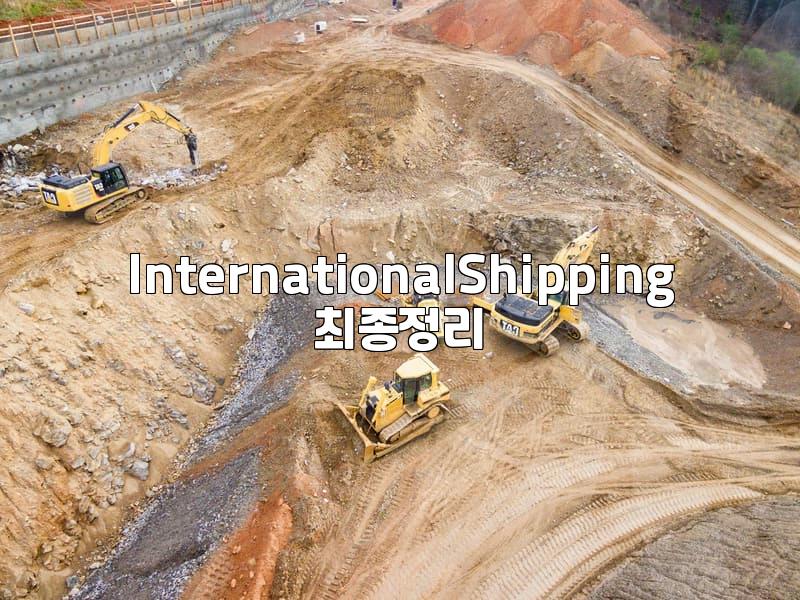
Many consultants push for high-end routing software, but these tools often fail because they ignore the messy reality of urban constraints. Imagine a delivery vehicle trying to access a narrow loading bay at a construction site in downtown Seoul. If the routing algorithm suggests a path that ignores physical road width or specific time windows for unloading, it is useless. I have seen companies spend thousands on optimization engines that assume a perfect world where traffic lights and parking bans do not exist. You must prioritize ground-level constraints before trusting any automated pathing logic. If your logistics optimization strategy does not account for the specific height restrictions of the trucks you actually own, you are just feeding bad data into a black box.
How to sequence your process for measurable improvement
To actually fix your logistics, you have to follow a strict sequence that prevents you from wasting time on vanity metrics. First, perform a baseline audit of your lead times over the last six months to identify where the longest delays occur. Second, consolidate your procurement volumes to reduce the number of individual shipments, which drastically cuts administrative overhead. Third, analyze your inventory turnover rates to determine if you are storing dead stock that creates extra handling fees. Fourth, integrate a simple inventory management tool that communicates directly with your warehouse floor rather than just tracking numbers in an office. This four-step sequence works because it tackles the physical movement of goods before moving to digital automation, ensuring you do not just automate a flawed process.
Are you ignoring the hidden costs of warehouse labor
Many managers obsess over transportation costs but completely overlook the internal costs of labor in the warehouse. For example, moving a pallet twenty meters further than necessary adds up to hundreds of miles of unnecessary travel for your staff over the course of a year. If you analyze your facility, you might find that your high-frequency items are stored in the back corners while slow-movers sit near the shipping dock. This is a common mistake that can be fixed by simply re-slotting your inventory based on picking frequency. A physical reorganization often pays for itself within three months, which is a return on investment that most expensive software platforms struggle to match.
Comparing manual scheduling to automated routing tools
Choosing between manual scheduling and automated routing is a classic trade-off between control and scalability. Manual scheduling provides deep visibility into the nuances of local drivers and specific customer preferences that software might miss. However, once you scale past ten or twenty deliveries per day, manual planning becomes a cognitive bottleneck that leads to human error. Automated tools provide consistency, but they lack the intuition required to handle sudden supply chain disruptions like sudden weather events or vehicle breakdowns. My advice is to maintain a hybrid model where you use automated tools for standard routes while keeping manual oversight for high-value or highly specific deliveries. Never fully hand over your logic to a platform that cannot understand the unique geography of your delivery zones.
Understanding the true limits of current technology
Optimization is not a permanent state but a perpetual repair job that requires constant maintenance. Do not expect to flip a switch and see your operational costs drop by fifty percent overnight. Most successful operators focus on capturing small gains of two to five percent consistently rather than swinging for the fences. The primary trade-off is that deeper optimization requires more granular data, which means your employees must be disciplined enough to log their work accurately. If you are not prepared to enforce data entry standards, skip the software upgrades and focus on warehouse culture first. For those looking to start, go to your shipping dock tomorrow morning and time how long it takes to move a single pallet from the receiving bay to its final storage position. That single number will tell you more about your actual efficiency than any expensive logistics consultant report ever will.





That Seoul example really resonated with me; I’ve worked with several companies struggling with precisely this kind of disconnect between ideal routing and real-world limitations.